When your child starts childcare, preschool or Transitional Kindergarten, it is normal for both you and your child to feel a wide range of feelings: excitement, worry, sadness, pride… these are all very common. Children might express their feelings through behaviors that are challenging for adults to deal with. We’ll go over some of the challenges and how you can help.

Many parents have concerns about how their child is doing in a group setting like childcare or preschool. Kids might have difficulty as soon as they start, or it can happen as a reaction to change: both internal and external.
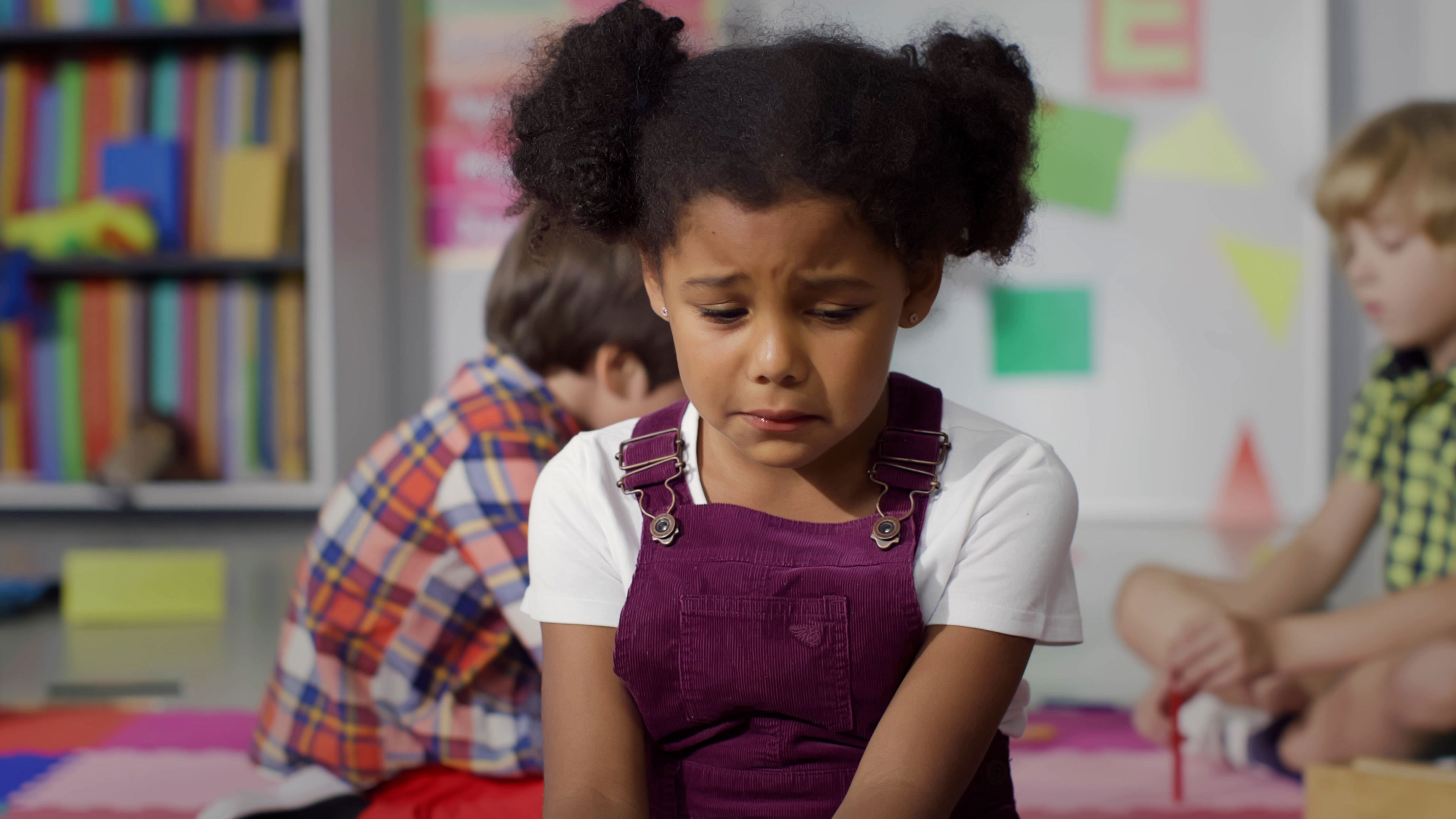
Children’s feelings are often expressed through their behavior. This means that when certain challenging situations occur, they might not be able to express their frustration in a way that is understood by adults or easy to deal with in a group setting. Regression, tantrums, aggression, and clinging to you are all common ways that young children might express strong feelings that they don't have the capacity to understand or explain verbally.
Some common “triggers” for big behavior are:
-Differences in expectations or rules at home and school
- A change at school: new teacher, difference in the environment, change in kids present
-A change at home: new sibling, a parent sick or away, moving to a new residence, etc
-They are having a developmental “leap”: dropping a nap, increasing independence, etc
-Frustration of not able to do something they want to do: due to their capacity or the school rules
-The demands on/ expectations of the child don’t match their abilities or interests
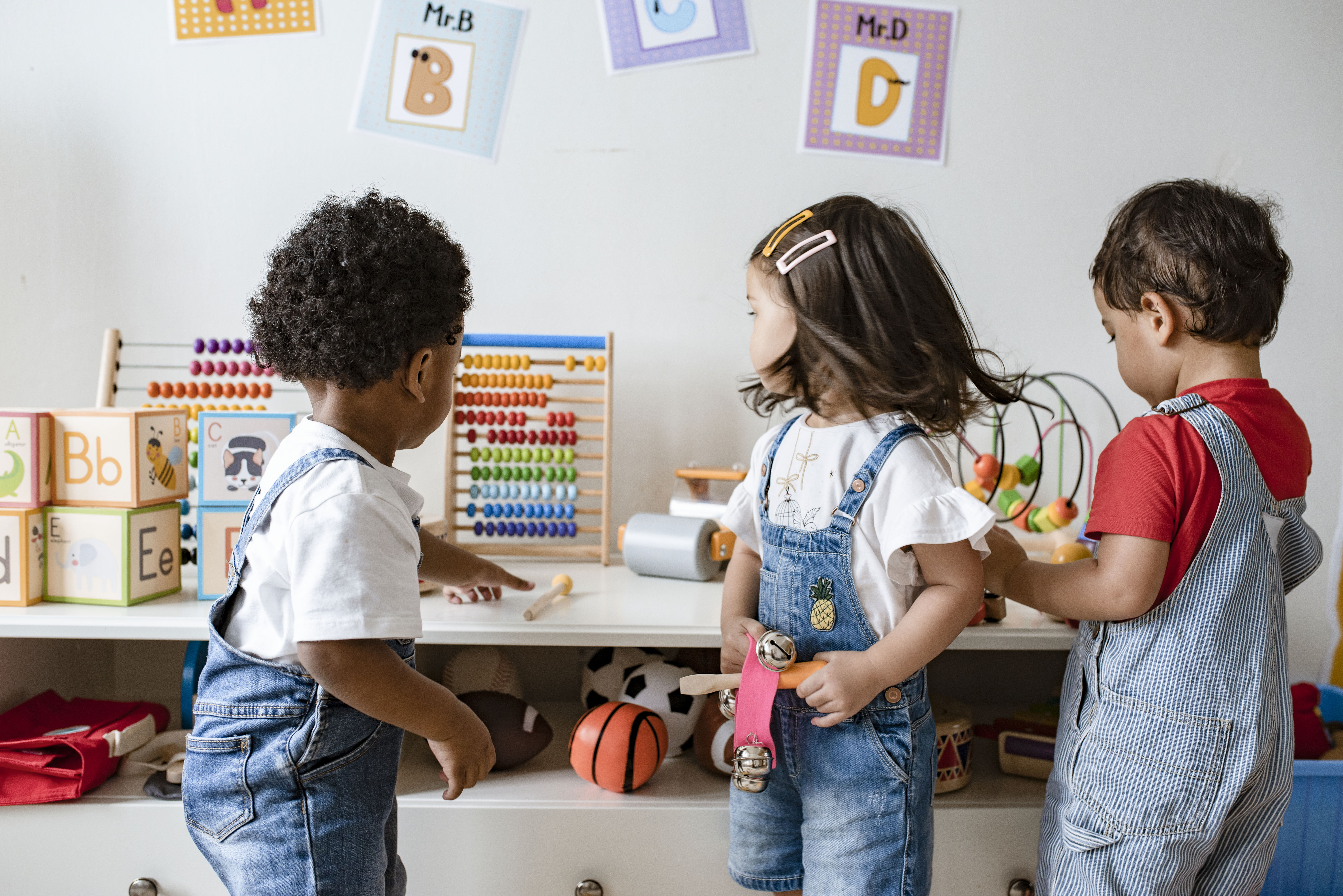
The learning environment absolutely has an impact on children’s ability to cope, recover, play with others and learn new skills! One of the core concepts of the world-renowned early childhood programs in Reggio Emilia, Italy is that the environment is the “3rd teacher”, after the child’s family and their classroom teacher/ care provider. When you are touring programs for your child, there are some key features in the environment to look for that could help your child do well. You can even try to add some of these at home.
Environmental features that can improve behavior:
-A dedicated quiet space or “calming corner” to go when overwhelmed/upset
-Clear areas for each activity: using shelving, rugs or tables to designate areas. Too much space can be overly exciting to some kids and can lead to more running around and less focused play.
-Having the right amount of space for each activity. Kids can be sensitive to play areas that feel too crowded which can sometimes lead to more rough play or fighting.
-Location of focused learning areas is away from active areas: For example, areas where kids do calmer activities like art or puzzles are separated from areas where they are playing "dress-up" or dancing.
-Visual aids for daily routines, rules, transitions and any other challenging activity. You can look for wall postings in main areas of the classroom that show step-by-step picture instructions or calendars.
-Fewer materials out at one time. Many kids can be overwhemed by too many objects in the space which can contribute to dumping out or throwing toys. A great program will often have few toys out but rotate them so that there is always some novelty and "newness" for the kids to enjoy. You can try this at home and see how it works for your child.
-“Open-ended” play materials are available: Blocks, sand, nature objects, and playdough are examples of this. This can be really helpful for learning problem solving and for motor development.
-Wall displays feature the children: Photos of the children, their families, and their open-ended artwork show children that they are important and valued as individuals.
-Materials available are reflective of the children's home culture: Dolls, wall displays, play materials and books include the diversity of the community. These help kids feel at home and gives them a sense of comfort and builds self-acceptance.
-At least some areas of the classroom feature muted colors, lower light, quieter sound levels to reduce overstimulation. Many children can be overwhelmed when the environment has too much "sensory information" for their system to handle. A very stimulating environment can make routines like eating, napping and even relaxing after becoming upset difficult for some kids.
-Having several “copies” of popular toys and objects. This can reduce arguing and "hoarding" between kids.
-Clear places to put away materials: Labels, icons or photos on shelves are great things to look for.
-Spaces for “saving” personal or special objects: Cubbies for each kid and a shelf or counter for teachers to put children’s “works in progress”. This can help children transition from playtime to other activities.
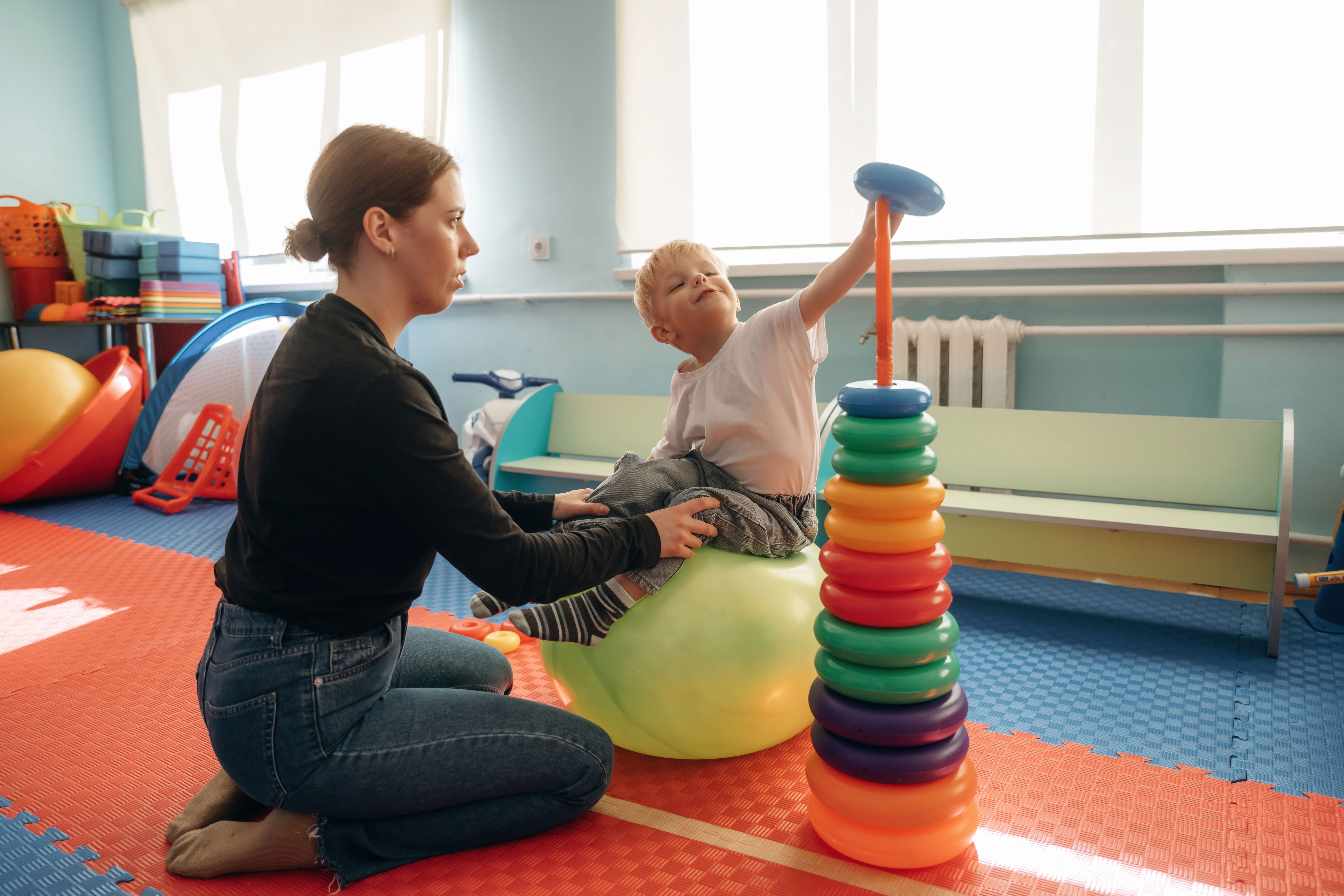
As hard as we might try, teachers and parents can’t avoid all “triggers” and adding positive elements to the classroom can’t prevent all challenging behaviors. There are many instances where a child needs extra time and support to develop skills that help them learn and thrive in a group setting, even a high quality one. Some challenges that may not have been noticeable earlier in life can become more apparent at the preschool, TK or childcare age as there are new demands on the child at this time of life.
Developmental areas to watch as your child enters the early care setting:
-Language delays: not able to speak or understand language at the same level as peers. If your child is learning more than one language, they may take more time to develop in this area which is completely normal.
-Motor skills delays: not able to move at the same level as peers.
-Social skills delays: having difficulty following the play among peers or having interests that align with much younger children.
-Emotional skills delays: has more difficulty calming down when upset than peers or has difficulty coping with change.
-Asynchronous development: some skills develop quickly and some more slowly, causing frustration or challenges with impulse control for the child
These challenges don’t normally mean that anything is “wrong” with your child, that their teacher or school is bad or that they are not being parented well… but that this child might benefit from extra support! If you think your child could use more support, it's great to find out early so they can get the help they need.

It’s difficult for any parent to see their child struggling. It can bring up feelings from your own early experiences and feelings about school. It might make you feel angry with your child or their teachers which can influence how you react to the challenges. We encourage you to breathe… and know that many many families experience these kinds of issues. You can handle this and here is help available when you need it.

It can be stressful to bring up hard topics, especially when they have to do with your child and family. In spite of this, see if you can approach the problems your child has at school with a collaborative attitude. Teachers, for the most part, really want to help every child, but sometimes need support to do that effectively.
Tips for collaborating with your child's teacher:
-->Ask for a parent-teacher conference, on the phone or in-person. Don't try to have the whole conversation at pick-up or drop-off.
-->Ask questions and keep an open mind: Your child’s teacher will have their own perspective that might be different from yours. They might not know what to do and they might want your help. Try to look for common ground and not take things personally.
Questions to ask:
-->Share important information with the teacher: It can be vulnerable to share sensitive information with the school, but it can help them have a better understanding of the big picture for your child. It can also give you both some clues about what kind of support to find.
Information to share:
It's not only teachers that can help, but so can other helping professionals in the community. As Mr. Fred Rodgers once said "Look for the helpers. You will always find people who are helping" ...You don't have to go it alone!
Next steps: What to do after the teacher conference

If you're feeling overwhelmed, it is ok to ask for help! If you are finding it hard to focus at work or help your child at home, it is a good idea to seek support from a caring professional.
When choosing a therapist, it is important to find someone you and your kid feel comfortable with: someone you feel seen and understood by. A big part of this is finding a professional who is committed to understanding you in the context of your specific family and culture. At the Center for Early Childhood Connections, our work is grounded in the Diversity-Informed Tenets for Work with Infants, Children, and Families, which offers a framework for practice that honors families’ diverse ways of being. As you begin researching therapy options, we recommend scheduling an intake or consultation call, so you ask any questions that you have.